
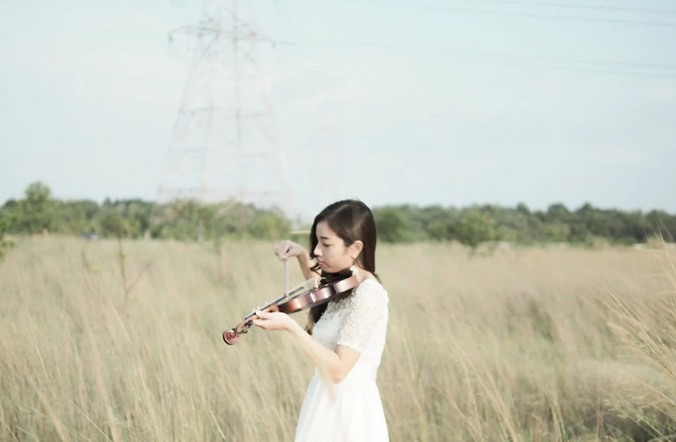
The music world has always had its icons. But for much of its history, certain instruments and certain stages have been dominated by men. The violin, while long associated with classical sophistication, rarely took the lead in mainstream entertainment. Even rarer was seeing a woman doing so with an electric violin. That’s changing now. The rise of the Electric Violinist Female is reshaping the stage, and these artists are changing how people experience live music and performance.
More Than Just a New Sound
Electric violins offer a different dimension of performance. They amplify the expressive range of the instrument and allow players to venture into genres like pop, rock, and EDM. But what stands out today is not just the sound. It’s who is holding the bow. Women are taking control of their creative space, using the electric violin as a tool for innovation and personal expression. They’re not just backing musicians they’re front and center. Their performances are commanding, energetic, and deeply personal. They push the limits of the instrument and blend styles in ways that feel both unexpected and natural.
Visibility and Voice
One of the most important shifts female electric violinists bring is visibility. These artists are being seen, not just heard. Their presence on stages once reserved for DJs and bands makes a statement. It says that string musicians belong in every part of the entertainment world. Social media has played a major role. Platforms like TikTok and Instagram give these performers a direct connection with audiences. A well-shot clip of a solo or remix can reach millions. This visibility empowers others. Young girls watching now see more possibilities. They see a path that wasn’t so clear before.
Style and Substance
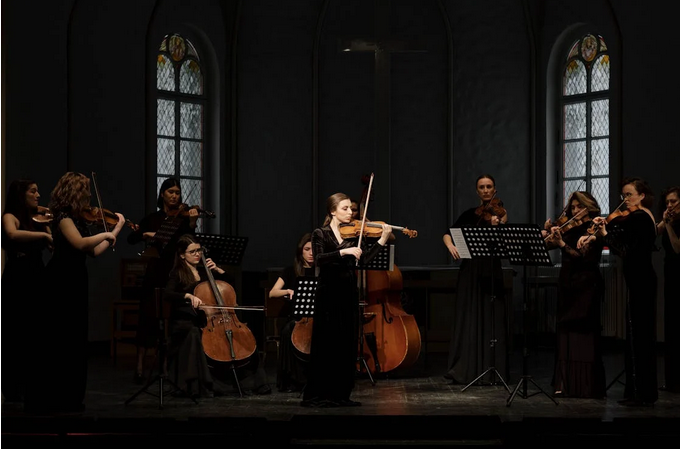
It would be easy to assume that the electric violin’s appeal lies in showmanship. The lights, the costumes, and the choreography are definitely part of the experience. But they aren’t the whole story. Behind every viral video are years of training, discipline, and artistry. Female electric violinists often come from classical backgrounds. They take that technical knowledge and apply it to modern arrangements. The result is layered and rich. It’s music that grabs your attention, not just because it looks impressive, but because it sounds deeply crafted. They bring a unique blend of visual performance and musicianship. That combination makes them hard to ignore and even harder to forget.
Collaboration and Innovation
Another reason these artists stand out is their collaborative spirit. They often work with DJs, dancers, vocalists, and visual artists. This makes their performances feel more like a shared experience than a solo act. It opens doors to mixed-genre productions and gives rise to shows that defy categorization. These violinists also embrace technology. They use loop stations, MIDI controls, and audio effects to shape their sound. Their creativity isn’t limited to strings and bows it extends to the entire performance environment. This innovation ensures they’re not just keeping up with trends. They’re creating them.
The presence of female electric violinists is no longer a novelty. It’s a sign of what’s next. Audiences are showing an appetite for acts that surprise and inspire. These performers meet that demand with style, skill, and confidence. Music schools are beginning to reflect this shift too. More students, especially girls, are exploring electric strings. They see it as a chance to stand out and stay relevant in a fast-moving industry. This growing interest helps ensure that the path these violinists are carving out won’t end with them. It will expand. The entertainment world is richer when it includes more voices and more perspectives. Female electric violinists bring both. They offer the utmost commitment to their craft, but they do it on their own terms. Their performances are not just about entertainment they’re about possibility. In a time when audiences are seeking authenticity and boldness, these women deliver both. They’re not just playing music. They’re shaping the future of how music is performed, shared, and experienced.